
Fast Response When Severe Weather Strikes
Emergency Storm Cleanup & Tree Removal in Logansport for properties damaged by high winds, ice storms, and severe weather events
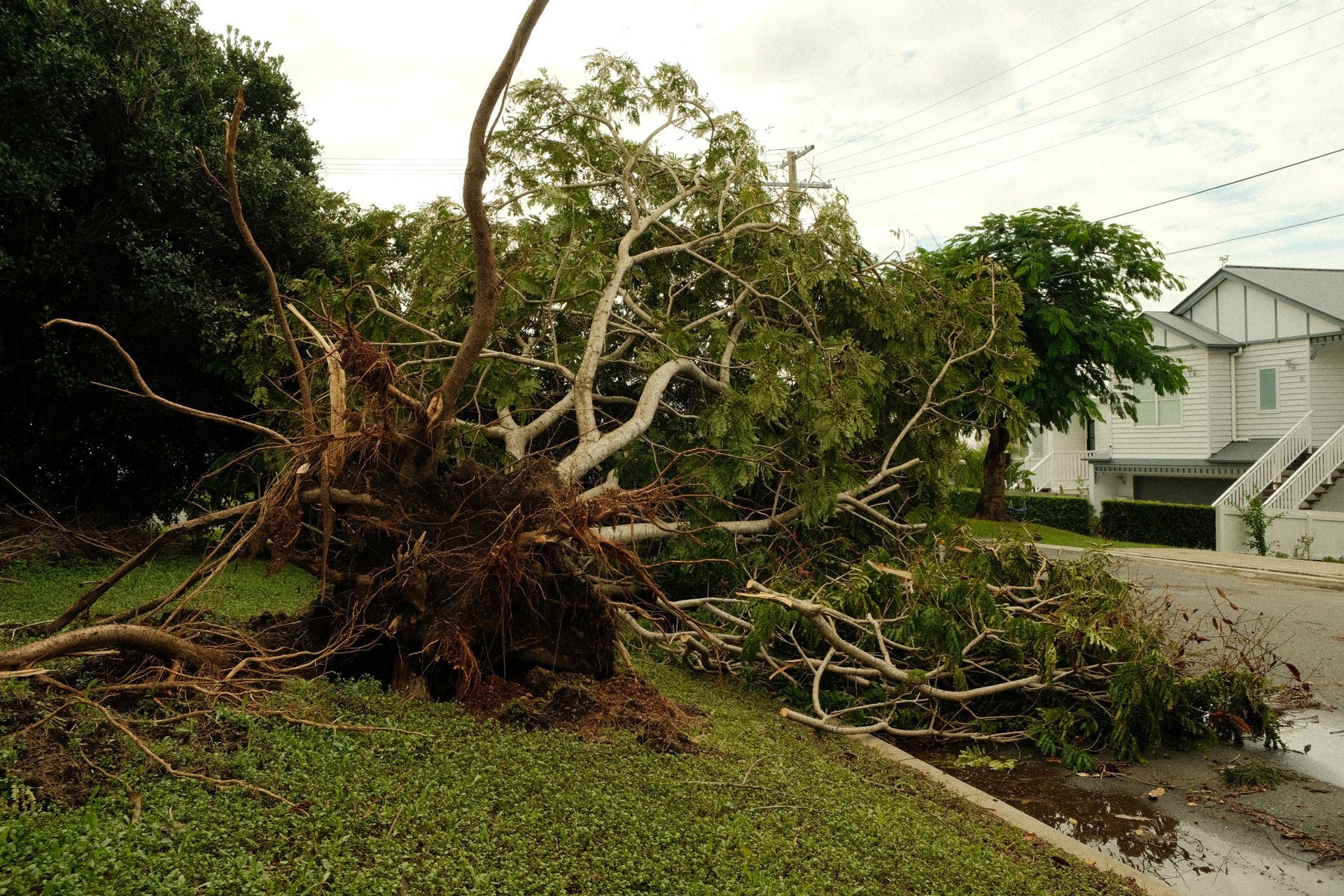
Severe weather drops trees across driveways, splits limbs onto roofs, and scatters debris that blocks access to homes and outbuildings. J&B Driveway and Excavating LLC responds to emergency storm damage throughout Logansport and North Central Indiana, removing fallen trees, large limbs, and debris to restore safe access and prevent further property damage. Heavy equipment clears material that manual labor cannot move efficiently, while experienced operators plan debris extraction to avoid damaging structures, utility lines, or vehicles trapped under fallen trees.
Storm cleanup involves more than cutting and hauling—operators assess tree lean and root stability to prevent secondary collapses during removal, identify power lines tangled in branches before cutting begins, and sequence debris removal to clear access routes first. In North Central Indiana, ice storms create unique challenges where frozen limbs shatter unpredictably, and saturated ground during spring storms allows trees to uproot with shallow root balls that destabilize surrounding soil.
Contact J&B Driveway and Excavating LLC immediately after storm damage occurs to arrange debris removal and property access restoration.
Our Services
What Emergency Cleanup Involves and Delivers
Emergency response begins with securing the site—operators identify hazards like downed power lines, unstable tree sections suspended in other trees, and compromised structures before equipment enters the area. Chainsaws section large trunks into manageable lengths while grapple-equipped excavators lift debris away from buildings and vehicles. Operators work methodically to prevent additional damage, especially when trees are leaning against structures or caught in power lines that require utility company coordination before removal proceeds.
Once cleanup is complete, driveways are cleared and passable for vehicles, yards are free of debris that posed tripping hazards or blocked building access, and fallen trees no longer threaten structures or utility connections. Property owners regain safe access to homes and can begin assessing building damage or arranging repairs without navigating around impassable debris fields. Limbs and trunks are hauled away or processed into firewood based on customer preference and material quality.
Cleanup also includes removing broken branches still hanging in trees—widow-makers that pose ongoing safety risks until they fall unpredictably. Operators identify compromised trees that survived the storm but sustained root damage or structural splits that make them likely to fail during future weather events, providing property owners with information needed to plan follow-up tree removal before the next storm season.
Answers to Frequent Service Questions
When storm damage occurs, property owners need immediate answers about response times, safety concerns, and what cleanup involves before equipment arrives.
How quickly can emergency storm cleanup begin after severe weather?
Response time depends on damage severity and crew availability, with operators prioritizing properties where fallen trees block all access or threaten structures. Most emergency calls in Logansport receive same-day or next-day response during storm events, though widespread damage may extend scheduling as crews address the highest-risk situations first.
What should property owners do before cleanup crews arrive?
Stay clear of downed trees and power lines, document damage with photographs for insurance purposes, and avoid operating vehicles or equipment near unstable debris. If trees are touching power lines, contact the utility company before cleanup begins—operators cannot safely remove debris entangled with live electrical wires until power is disconnected.
How do operators remove trees that have fallen on buildings or vehicles?
Removal involves careful sectioning to relieve tension without allowing tree weight to shift and cause additional damage. Operators use rigging techniques and equipment positioning to lift sections vertically away from structures, cutting progressively from outer branches toward the trunk until the entire tree is cleared without collapsing further onto the building.
What happens to storm debris after it is removed from the property?
Large trunks are cut into firewood-length sections and stacked if the property owner wants to keep them, while brush and smaller debris is chipped or hauled to disposal facilities. Operators separate usable wood from damaged or rotten material, and debris is removed from the property completely unless the owner requests otherwise.
Why do some trees fail during storms while others nearby remain standing?
Failure patterns depend on tree species, root depth, soil saturation, and previous damage—shallow-rooted species like silver maples uproot easily in saturated soil, while trees with decay or previous storm damage develop weak points that split under wind load. North Central Indiana's clay soils hold water during spring storms, reducing root anchorage and increasing the likelihood of full tree uprooting rather than trunk breakage.
J&B Driveway and Excavating LLC provides dependable storm cleanup when property access and safety are compromised by fallen trees and debris. Arrange emergency debris removal to restore safe access and prevent further damage after severe weather events impact your property.